Mercier & Cie launched Dom Pérignon in 1921 with the 1921 vintage, wanting to create something beyond their existing range. They named it after the 17th-century cellar master of Hautvillers Abbey, though the real Dom Pierre Pérignon never made sparkling wine as we know it. The brand became Moët's crown jewel, establishing the template every prestige cuvée would follow: vintage-only, extended aging, premium packaging.
Dom Pérignon declares a vintage only when the harvest expresses something unique.
Dom Pérignon operates under a singular principle: declare only years that express something unrepeatable. Chef de cave Vincent Chaperon works with grapes from 17 grands and premiers crus, but the blend changes dramatically vintage to vintage. Where other houses maintain consistent style, Dom Pérignon chases the personality of each harvest. Extended lees aging—minimum eight years, often twelve or more—develops complexity that younger Champagnes cannot achieve. Each vintage releases three times: initial release, Plénitude 2 after additional aging, and Plénitude 3 decades later. The same wine, three different expressions of time.
Not sure where to start? The quiz takes four minutes and ends with a specific bottle recommendation.
Find your Champagne moment →Dense mousse that coats the glass walls. The attack comes in waves—first citrus oils, then deeper mineral notes that seem to rise from limestone. Texture builds through the mid-palate, neither creamy nor sharp but something between velvet and steel. The finish pulls inward, concentrated, like walking into a cool cave on a hot day.
Private tours through Moët & Chandon's historic cellars include Dom Pérignon tastings in dedicated salons. The experience focuses on vintage philosophy and extended aging techniques. Tours typically include vertical tastings comparing different Plénitudes of the same vintage.
Avenue de Champagne, Épernay
Les Crayères — The limestone mansion sits in Reims park grounds with two-Michelin-star dining. Their cellar stocks rare Dom Pérignon vintages back to the 1970s, including library Plénitudes most collectors never see.
8wines.com is an online wine retailer based in Prague, shipping across Europe. Its Champagne catalogue includes over 130 references, from established houses to collectible vintages. Orders ship insured within 1–3 days.
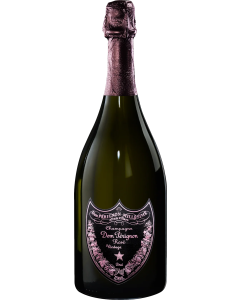 Dom Pérignon Rosé 2009 →
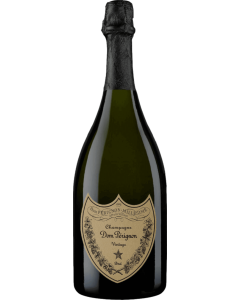 Dom Pérignon Vintage 2013 →
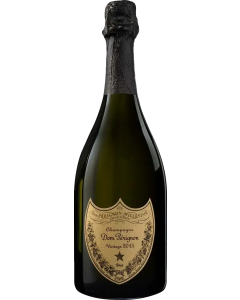 Dom Pérignon Vintage 2015 →
Dom Pérignon Luminous 2015 →
Dom Pérignon Vintage 2015 →
Dom Pérignon Luminous 2015 →